

The evolution of casinos tracing their historical significance and impact
The Origins of Gambling and Early Casinos
The history of casinos can be traced back to ancient civilizations where gambling was an integral part of social and cultural life. Early forms of gambling can be seen in ancient China, where tiles were used to play games of chance as early as 2300 B.C. These early games laid the groundwork for modern gambling, showing that the desire to gamble has existed for millennia. Interestingly, as online platforms like 4rabet emerged, they connected this historical pastime to a more contemporary audience.

By the time of the Roman Empire, gambling became a popular pastime, with various games being played in social settings. The Romans would often gamble on the outcomes of gladiatorial contests, demonstrating how gambling intertwined with entertainment. This paved the way for dedicated venues where people could gather to indulge in games of chance.
The Rise of Formal Casinos in Europe
The first official casino, the Casino di Venezia, opened its doors in 1638 in Venice, Italy. This establishment marked a significant shift in the gambling world, providing a structured environment for betting and gaming. The success of this casino sparked a wave of similar establishments across Europe, particularly in France and Germany, where gaming rooms became synonymous with elegance and high society.
During the 18th century, the popularity of casinos surged as they became venues for social gatherings, attracting the elite. The establishment of the Monte Carlo Casino in Monaco in 1863 further solidified the concept of casinos as luxurious destinations for entertainment and leisure, drawing visitors from around the globe.
Casinos in the United States: The Wild West to Las Vegas
The history of casinos in the United States is rich and varied, beginning with the gold rush era in the mid-19th century. Gambling halls emerged in mining towns, where fortune seekers gathered to try their luck. However, it wasn’t until the 20th century that casinos began to gain significant popularity, particularly in Las Vegas, Nevada.
Las Vegas transformed into a gambling mecca after the legalization of casino gambling in 1931. With iconic resorts and entertainment options, the city attracted millions of visitors, forever changing the landscape of casinos. This era also saw the rise of themed casinos, catering to diverse tastes and preferences, reinforcing the idea of casinos as entertainment hubs.
The Digital Revolution and Online Casinos
The advent of the internet in the late 20th century heralded a new era for the casino industry, giving rise to online casinos. This innovation made gambling more accessible to a broader audience, allowing players to enjoy their favorite games from the comfort of their homes. With the establishment of online platforms, the gambling landscape expanded exponentially, and regulations began to adapt to this digital shift.
Online casinos offer a variety of games, from traditional table games to innovative video slots, attracting a diverse demographic. As technology continues to evolve, the integration of live dealer games and mobile compatibility has transformed online gambling into a dynamic experience, enhancing user engagement and interactivity.
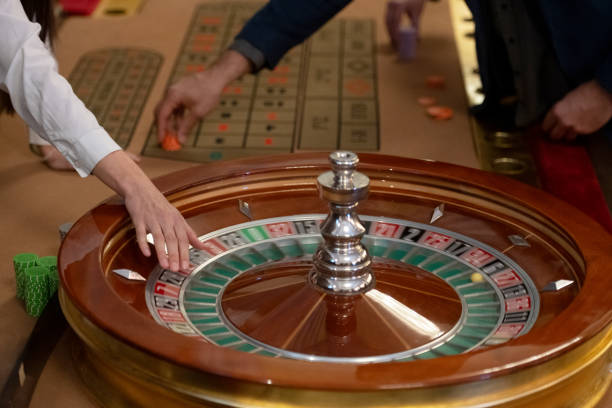
Future Trends and the Role of Online Gaming Platforms
The future of casinos is closely linked to advancements in technology and changing consumer preferences. Innovations like virtual reality and blockchain technology are set to reshape the gambling experience, promising increased security and immersive gameplay. As players seek more engaging and interactive formats, casinos will need to adapt to remain relevant.
Websites such as 4raBet play a pivotal role in this evolution, providing an online platform for gaming and betting. As restrictions on access may sometimes occur, it’s essential for users to understand how to navigate these challenges to ensure a seamless experience. Continued support and guidance from platforms will further enhance user experiences, making online casinos a staple of the entertainment industry.