Understanding the journey of gambling addiction recovery
Recognizing Gambling Addiction
The first step in the recovery journey is recognizing that gambling has become a problem. This realization can be difficult, as many individuals struggle with denial, believing they can control their betting habits. Acknowledging the impact of gambling on personal life, finances, and relationships is crucial. For instance, you can find more information about responsible gaming at https://greatoceanroad.info/. Signs of addiction may include frequent betting despite losses, neglecting responsibilities, or experiencing emotional distress when unable to gamble.
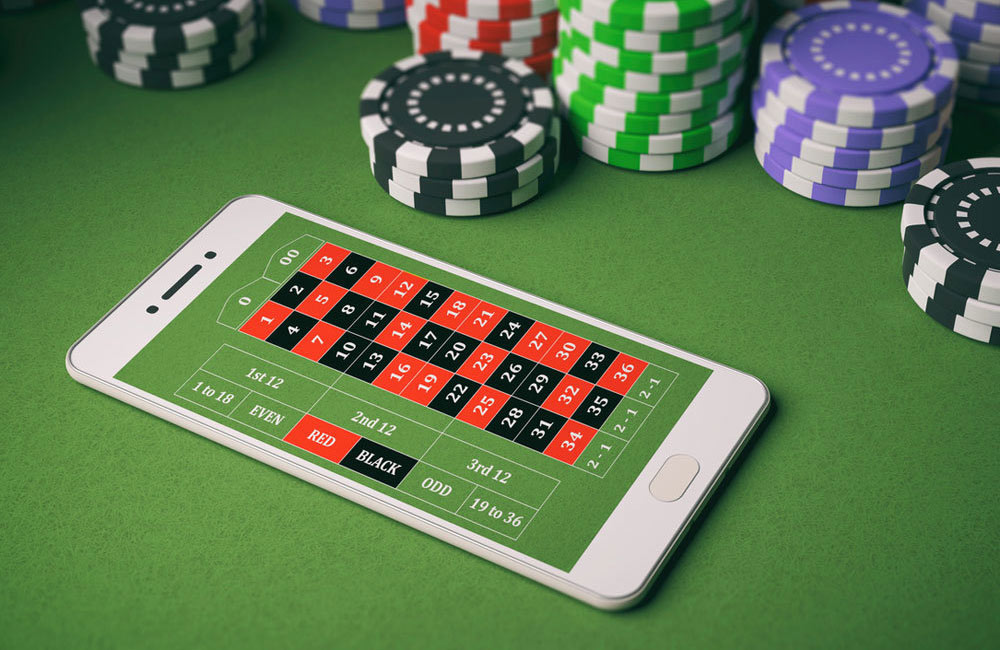
Awareness plays a pivotal role in overcoming addiction. Individuals must confront their behaviors honestly, understanding how gambling has affected their lives. This self-reflection not only helps in recognizing the problem but also lays the foundation for seeking help and support. Embracing this step can be a significant turning point in the recovery process.
Seeking Professional Help
Once the problem is acknowledged, seeking professional help becomes essential. Treatment options vary but often include therapy, support groups, and counseling. Cognitive Behavioral Therapy (CBT) is particularly effective, helping individuals address negative thought patterns and develop healthier coping strategies. Engaging in therapy provides a safe space to explore the underlying issues contributing to gambling behavior.
Support groups, such as Gamblers Anonymous, offer a community of individuals who share similar struggles. These groups provide emotional support and practical advice, fostering a sense of belonging and accountability. The combination of professional therapy and peer support can significantly enhance the recovery journey, making it more manageable and less isolating.
Establishing Healthy Coping Mechanisms
As recovery progresses, individuals need to develop healthy coping mechanisms to replace the thrill of gambling. Engaging in hobbies, exercising, or pursuing educational goals can provide fulfilling alternatives. Building a balanced lifestyle is vital for maintaining sobriety and reducing cravings. Finding joy in new activities helps in redirecting focus away from gambling and towards more positive pursuits.
Moreover, individuals should learn to manage stress and emotional triggers effectively. Mindfulness practices, such as meditation or yoga, can aid in cultivating awareness and emotional regulation. By adopting these strategies, individuals can create a more resilient mindset, ultimately supporting long-term recovery and preventing relapse.
Building a Support Network
Building a robust support network is crucial for sustaining recovery. This network may consist of family, friends, therapists, and support group members. Open communication about struggles and progress fosters a sense of accountability and encouragement. Sharing experiences can alleviate feelings of shame and isolation often associated with addiction.
Involving loved ones in the recovery process can enhance motivation and provide additional layers of support. Trust and understanding from family and friends can create a nurturing environment that reinforces the commitment to recovery. Establishing these connections is an ongoing process, but it is invaluable for those on the journey to recovery.

Resources for Ongoing Support
Many resources are available for individuals recovering from gambling addiction. Websites and hotlines dedicated to providing information, support, and guidance are invaluable tools. These platforms often include educational materials, access to professional help, and community forums where individuals can share their stories and connect with others facing similar challenges.
Engaging with these resources can empower individuals to take charge of their recovery journey. Staying informed about addiction, recovery strategies, and personal development can motivate ongoing progress. Leveraging the support available online not only fosters a sense of community but also helps in maintaining commitment to a gambling-free life.